State Liaison Candidate
Campaign Message
As a clinician, educator, and advocate, I have spent over two decades advancing the role of nurse practitioners across acute care, academia, and health policy. I am running for State Liaison to represent the voices of Massachusetts NPs and ensure we remain central to conversations shaping our profession s future. With experience as Program Director at Northeastern University and a background in critical care and bioethics, I bring a unique perspective grounded in frontline practice and systems-level leadership. My priorities include strengthening full practice authority, expanding opportunities for NP leadership, and ensuring equitable access to care across all communities.
Bio Sketch
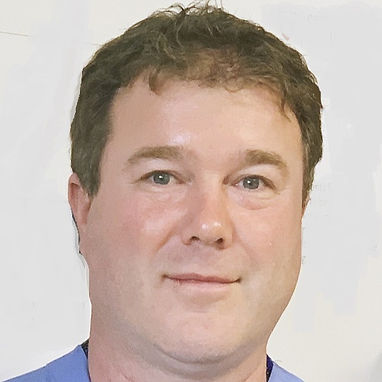
Stephen P. Wood, DMSc, ACNP-BC, FAWM is a nationally recognized acute care nurse practitioner, academic leader, and bioethicist committed to advancing the NP profession through education, advocacy, and ethical leadership. He currently serves as Program Director of the Acute Care Nurse Practitioner Program at Northeastern University, where he has redesigned the curriculum to emphasize critical thinking, clinical excellence, and social accountability. He also led the creation of the university s pioneering graduate program in Extreme Medicine, bridging acute care with public health and disaster readiness. Dr. Wood has been a consistent voice for NP-led innovation in healthcare, drawing from a career spanning critical care, operational medicine, and public service. As a fellow of both the Harvard Medical School Center for Bioethics and Harvard Law School s Petrie-Flom Center, his work focuses on moral injury, health equity, and the ethical obligations of providers within strained systems. A frequent speaker and published author, he advocates for expanding NP leadership across clinical, academic, and policy domains. His vision for AANP includes building strategic alliances, strengthening professional identity, and ensuring that nurse practitioners are at the forefront of shaping ethical, equitable, and evidence-based care in an evolving healthcare environment.
What do you think is the biggest challenge facing NPs in the delivery of health care over the next decade? How should AANP address this issue to support NPs and the populations they serve?
The greatest challenge facing NPs in the next decade is maintaining practice autonomy amid rising corporatization and scope-of-practice barriers. This threatens access to equitable care, especially for underserved populations. AANP must double down on legislative advocacy, expand NP-led practice models, and promote public awareness of NP capabilities. Education campaigns and leadership development must be prioritized to equip NPs to lead system reform. The profession must also recognize the importance of quality education and continue to ensure that academic program delivery is current and evidence-based.
Describe, in detail, leadership and other professional skills that you will bring to AANP and provide at least one initiative or outcome that occurred because of these skills.
As Program Director at Northeastern and a fellow in national bioethics programs, I bring visionary academic leadership, team-building, and policy fluency. I developed the first graduate program in Extreme Medicine, integrating ethics, disaster response, and NP-led innovation. This initiative not only broadened educational scope but also placed NPs at the center of interdisciplinary health equity solutions. I have also championed improving the quality of NP didactic and clinical education, as well as efforts to secure federal funding for NP clinical site access.
Identify one major challenge that could impact your ability to fulfill the responsibilities of the position you are seeking. How do you plan to manage this challenge to be successful?
One potential challenge in fulfilling the responsibilities of this position is balancing my existing academic, clinical, and operational commitments with the demands of national leadership. However, my career has been defined by managing complex roles through intentional prioritization, disciplined scheduling, and a clear alignment of efforts with mission-driven goals. I ve built strong, collaborative teams that allow for shared leadership and delegation, enabling me to focus on strategic tasks. Additionally, I regularly reassess workload distribution to ensure sustainability and impact. I am deeply committed to this role and will bring the same integrity, structure, and energy that have defined my leadership.
AANP’s mission is to empower all NPs to advance accessible, person-centered, equitable, high-quality health care for diverse communities through practice, education, advocacy, research, and leadership. If elected, how do you propose to advance AANP's mission and strategic plan?
If elected, I will advance AANP s mission by championing innovative, ethically grounded education, expanding NP leadership in health policy, and advocating for full practice authority nationwide. My academic and clinical background allows me to connect practice and policy through research, equity-focused curricula, and interdisciplinary collaboration. I will work to strengthen NP visibility in underserved and non-traditional care settings such as disaster response, operational medicine, and corrections where equitable care is most critical. Through mentorship, policy engagement, and strategic partnerships, I will help build a more empowered, visible, and diverse NP workforce aligned with AANP s vision for accessible, person-centered, and high-quality care.